
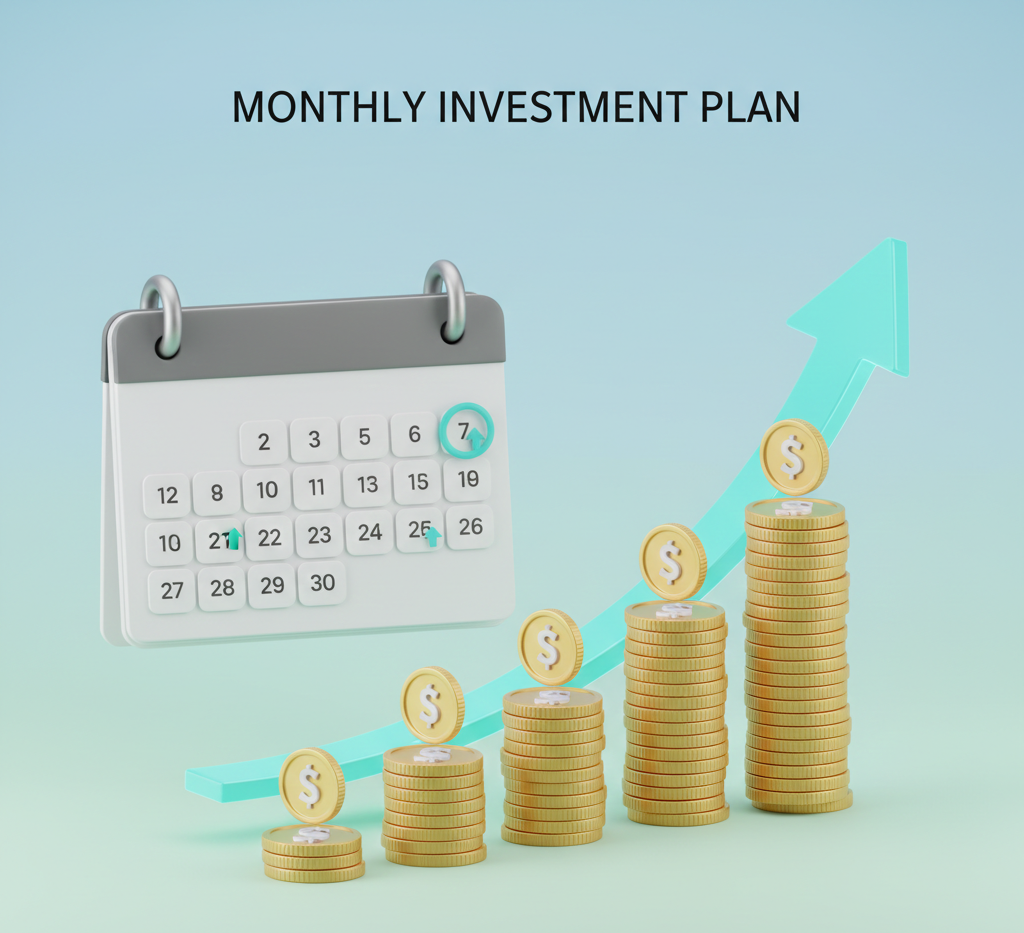
How to Start Investing With a Low Budget — Complete Beginner Guide
Many people believe investing is only for the rich. They think you need thousands of dollars to begin. That belief stops millions of beginners from ever starting. The truth is very different: you can start investing with a low budget, and in many cases, starting small is actually better because it builds discipline and experience.
Modern investment platforms, fractional shares, index funds, and automated investing tools have made it easier than ever to begin with a small amount. What matters most is not how much you start with — but how consistently and wisely you invest.
This complete guide explains how to start investing with a low budget step by step, what to invest in, what to avoid, and how to grow small contributions into long-term wealth.
The Biggest Myth — You Need a Lot of Money to Invest
This is the first mistake beginners make: waiting to “have more money” before starting.
Reality:
- You can start with $10–$50 in many platforms
- Many funds have low minimums
- Fractional shares allow partial stock buying
- Monthly auto-invest works with small amounts
Small money + long time + consistency = real wealth
Waiting is more expensive than starting small.
Why Starting Small Is Actually Smart
Low-budget investing has hidden advantages.
✅ Lower Emotional Pressure
Small investments reduce fear and panic.
✅ Learning With Real Money
You gain real experience without large risk.
✅ Habit Building
Regular small investing builds discipline.
✅ Market Experience
You learn how markets move before committing bigger capital.
Think of small investing as training — not limitation.
Step 1 — Secure Your Basics First
Even with a low budget, do not skip financial safety.
Build a Mini Emergency Fund
Before investing, save at least:
1 month of essential expenses (minimum starter level)
Then grow it later to 3–6 months.
This prevents forced selling.
Avoid High-Interest Debt Investing
If you carry high-interest debt, pay it first.
A guaranteed 25% debt cost beats uncertain 10% market returns.
Step 2 — Decide Your Monthly Investment Amount
Choose a realistic amount you can maintain.
Examples:
- $25 per month
- $50 per month
- $100 per month
Consistency is more important than size.
Rule:
Invest what you can repeat — not what impresses.
Step 3 — Use Fractional Shares
Fractional shares let you buy part of expensive stocks.
Example:
Instead of buying a $500 stock, you buy $25 worth.
Benefits:
- Access to big companies
- Low entry barrier
- Better diversification
This is a major advantage for low-budget investors.
Step 4 — Choose Low Minimum Investment Options
Not all investments require large starting capital.
Best Low-Budget Investment Options
✅ Index Funds (Low-Minimum Versions)
Some platforms offer low entry index funds.
✅ ETFs
Can be bought like stocks — even one share or fractional.
✅ Robo-Advisors
Automated diversified portfolios with low minimums.
✅ Micro-Investing Apps
Round-up and small deposit investing systems.
Step 5 — Focus on Diversification Early
Even with small money — diversify.
Instead of:
Putting $100 in one random stock
Better:
Put $100 in a broad index ETF
Diversification matters at every budget size.
Step 6 — Automate Your Investments
Automation is powerful for low-budget investors.
Set automatic monthly investing.
Benefits:
- No timing stress
- No forgetting
- Habit formation
- Dollar-cost averaging
Automation turns small money into a system.
Step 7 — Use Dollar-Cost Averaging
Invest the same amount regularly regardless of market level.
Example:
$50 every month.
Result:
- Buy more when prices are low
- Buy less when prices are high
- Average cost smooths out
This reduces timing risk — perfect for beginners.
Step 8 — Reinvest All Earnings
If your fund pays:
- Dividends
- Interest
- Distributions
Reinvest them automatically.
Compounding needs reinvestment to work fully.
Turn on dividend reinvestment.
Step 9 — Control Fees Aggressively
With a small budget, fees matter even more.
Avoid:
- High expense funds
- Frequent trading fees
- Advisory percentage fees
Choose:
- Low-cost index funds
- Low-fee ETFs
- No-commission platforms
High fees can erase small gains.
Step 10 — Avoid High-Risk Speculation
Low-budget investors are often tempted by:
- Penny stocks
- Crypto hype coins
- “Turn $100 into $10,000” trades
- Social media tips
This is dangerous.
Small capital should be protected — not gambled.
Build base first — speculate later (if ever).
Step 11 — Increase Contributions Slowly
When income rises — raise your investing amount.
Example:
- Start: $50/month
- After raise: $75/month
- Later: $150/month
Growth comes from increasing contributions over time.
Step 12 — Track Progress Annually, Not Daily
Small portfolios grow slowly at first.
Daily checking causes frustration.
Review:
- Once per quarter
- Once per year
Focus on contribution growth — not short-term returns.
Step 13 — Example Low-Budget Starter Plan
Monthly Investment: $75
Allocation:
- $50 — total market index ETF
- $15 — bond ETF
- $10 — gold ETF
Automatic monthly buy.
Reinvest dividends.
Increase yearly.
Simple and effective.
Step 14 — Low Budget Does NOT Mean Low Quality
Small investing can still be:
- Diversified
- Strategic
- Long-term focused
- Professionally structured
Amount size does not determine investment quality — decisions do.
Step 15 — Mindset for Low-Budget Investors
Successful small investors think:
- Long term
- Contribution focused
- Process driven
- Fee aware
- Risk controlled
They avoid comparison with large portfolios.
They build steadily.
Final Summary — Low Budget Investing Roadmap
If you are starting with little money:
- Build small emergency buffer
- Remove high-interest debt
- Choose monthly amount
- Use fractional shares
- Invest in index ETFs
- Automate contributions
- Use dollar-cost averaging
- Reinvest dividends
- Avoid speculation
- Control fees
- Increase contributions over time
Start small. Stay consistent. Grow steadily.
Small beginnings + long discipline = big outcomes.